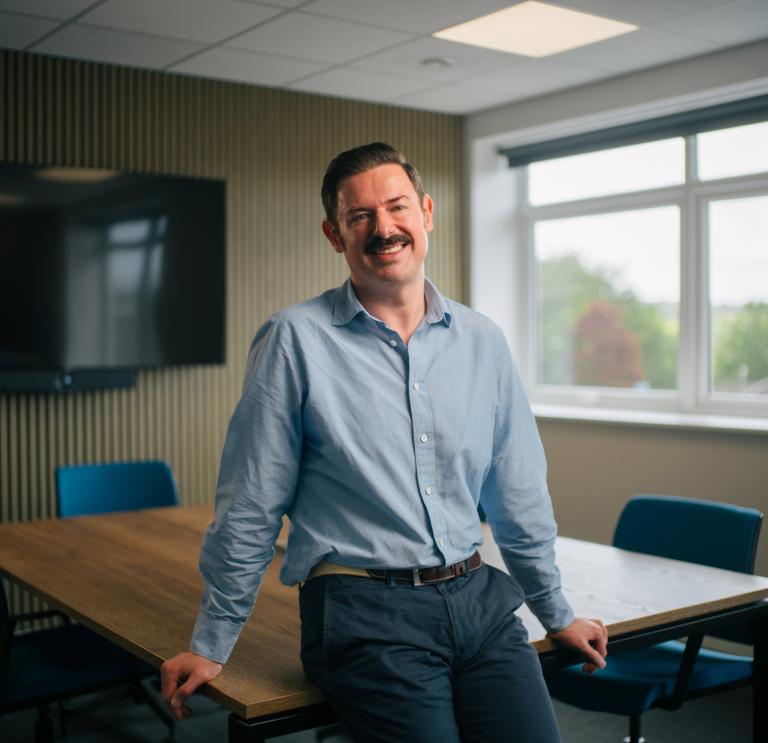
Through its proprietary Delineate Proximity platform, the company surveys consumers continuously in more than 130 countries, on what they’ve recently seen, read or heard about some of the world’s biggest brands. “We help clients in insights and marketing functions understand if their advertising is working or not,” explains founder and CEO James “JT” Turner.
An always‑on connection keeps brands close to their customers
Unlike traditional market research providers built on legacy processes and large project teams, Delineate has been technology‑led from inception. The Proximity platform uses automation and AI to deploy surveys, ingest huge volumes of data and feed live dashboards and APIs, enabling rapid decisions on media, creative and spend. The approach is already proven at scale: for The Coca‑Cola Company, Delineate tracks up to 1,000 campaigns a year across 40-55 markets, with the client estimating “at a minimum” a 25% uplift in effectiveness thanks to the ability to optimise live campaigns.
A Welsh engine
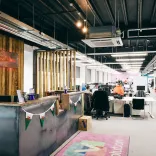
What makes this story distinctively Welsh is where the engine sits. In 2025 Delineate chose Llandysul in Ceredigion as its global headquarters, transforming an old school close to the town centre into a modern operations and technology hub. “We’ve been coming to the area for 30 years – I’m not from Wales, but I do love Wales,” says JT, who left London for a different pace of life while still serving clients worldwide.
With Welsh Government support and a proactive landlord, the company has brought the site back to life, alongside other uses such as a gym and community facilities. The investment has created high‑value digital jobs in rural west Wales and turned Delineate into the first research‑technology employer in the area.
No compromise on talent or connectivity
Delineate has built what JT calls a “small but perfectly formed team” in Llandysul, combining local school‑leavers, graduates and experienced returners with home‑based specialists across west Wales and the wider M4 corridor. “One of the first questions we were asked about being in a rural area is, do you have access to good talent? And the answer is yes… but it comes through working with partners, NGOs, the academic sector and the community,” he says. The company invests heavily in training for a niche industry, developing technology, data and research skills that are in demand far beyond Welsh borders.
Robust digital infrastructure has been critical to success. JT notes that connectivity is essential for an AI‑enabled, data‑intensive business, that handles large datasets and real‑time analytics, for clients all over the globe. At the same time, Cardiff Airport and good rail links give Delineates teams quick access to European hubs, North America and beyond “it’s a big misconception that rural means poor connectivity,” he says.
A part of the community
Through the Delineate Community Commitment, the company supports local organisations with time, skills and funding, from sports clubs and arts groups to wellbeing projects. JT acknowledges their active commitment to “be a positive force in a very diverse and interesting community.”
For Investors in Wales, the Llandysul story showcases a wider truth: technology businesses with global ambitions do not have to cluster in big cities. With the right infrastructure, digital backbone, skills partnerships and public‑sector support, rural Wales can host world‑class businesses that export services, create high‑value jobs and help keep local economies vibrant. As JT puts it, “We can deliver all of the great work for our clients here, with a very different pace of life, moderate costs and phenomenal support from the community and government.”