Wales: A Nation Invested in Clean Energy
Wales is a country built on industry and powered by innovation, now channelling that strength into a green industrial revolution. From the Celtic Sea to the Irish Sea and the coastlines of North and West Wales, the nation is mobilising its ports, people and policy to become a net exporter of clean power, technology and expertise. Clean energy sits alongside advanced manufacturing, tech, life sciences and creative industries in a diverse, resilient economy, giving investors access to deep supply chains and cross-sector innovation.
The Well-being of Future Generations Act provides a long-term, legally backed framework that aligns economic growth with environmental responsibility and community benefit. For investors, that means confidence that projects are planned and delivered with stability, continuity and public support at their core.
Why Wales?
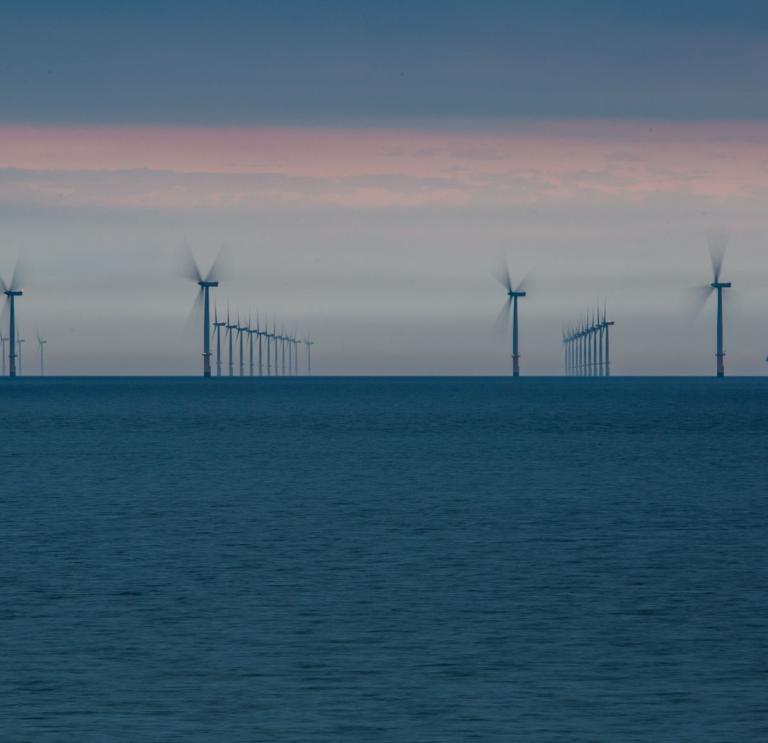
The renewables sector in Wales offers around £47 billion of investment potential from onshore and offshore projects over the next decade, underpinned by some of Europe’s best marine and wind resources. The Celtic Sea alone is expected to deliver around 4.5 GW of floating offshore wind by 2035, with the wider basin offering potential of up to 20 GW by the mid-2040s. Wales already generates significant offshore wind capacity in the Irish Sea and is now scaling from proven projects to large, export-focused platforms.
Here is an economy where clean energy is delivering nearly 8,000 highly skilled jobs, with salaries significantly above the national average. Major public and private funding, from City and Growth Deals to Freeport and Investment Zone programmes, is accelerating infrastructure, innovation and skills, creating prime conditions for long-term returns.
Natural Resources, Industrial Strength
Wales combines outstanding natural resource with a deep industrial and engineering base. Its coastline, tidal ranges and wind regimes create unique conditions for floating offshore wind, tidal stream and wave energy, while onshore wind, solar and storage round out a balanced clean power mix.
At the same time, Wales’ advanced manufacturing sector exports high-value components worldwide and is increasingly pivoting towards low-carbon technologies - meaning investors in renewables can plug into an established ecosystem of fabricators, engineers, logistics providers and technology specialists that understand complex, safety-critical industries.
Ports, Freeports and Energy Hubs
Strategic ports and Freeports give Wales a competitive edge in assembling and exporting large-scale renewable infrastructure. Pembroke Dock, Port Talbot, Mostyn and Holyhead are already handling turbine installation, operations and maintenance, and heavy-lift logistics, with new investments focused on transforming them into FLOW, hydrogen and storage superhubs.
Anglesey Freeport is turning North Wales into a global hub for low-carbon energy, data, manufacturing and trade, backed by £25 million in seed funding and forecast to create around 5,000 high-value jobs. The Anglesey Freeport partnership between Stena Line and Isle of Anglesey County Council has designated two major tax sites that offer targeted reliefs and streamlined processes to attract international investors. Ian Davies of Stena Line is clear about the ambition: “We will deliver on the promise of the Freeport which is to attract investment, protect the Welsh language and culture, create thousands of new jobs and boost economic growth across North Wales.”
Collaborative Ecosystem and Government Backing
Wales’ devolved government works hand in hand with industry and academia to de-risk investment and accelerate delivery. Marine Energy Wales, cluster organisations and partners like Net Zero Industry Wales act as catalysts, bringing together developers, regulators, researchers and supply chain companies to solve challenges collectively rather than in isolation.
“Wales has some of the best marine energy resources anywhere in the world,” says Jay Sheppard of Marine Energy Wales. “What makes us unique is the way industry, government, and local communities work together, transforming potential into real, world-leading projects. From tidal stream to floating wind, we’re not just talking about the future, we’re building it here and now.” This culture of collaboration is backed by tailored support from Welsh Government, the Development Bank of Wales and a global network of international offices that provide market insight, connections and practical help.
Real-World Projects, Real-World Returns
Across Wales, a pipeline of projects is turning ambition into opportunity.
- Morlais Tidal Energy Project on Anglesey is the largest consented tidal energy zone of its kind, attracting international developers and pioneering environmental monitoring that sets global benchmarks.
- Celtic Sea floating offshore wind projects are gearing up to deliver 4.5 GW by 2035, with port infrastructure in South and West Wales being upgraded to handle turbine assembly, substructures and export logistics.
- Pembroke Dock and the Marine Energy Test Area (META) provide comprehensive wet testing and deployment facilities for new marine energy technologies, offering investors a route from prototype to commercial scale within a single geography.
- Ports like Mostyn and Holyhead bring a strong track record in turbine installation and O&M, with plans in place to expand capacity as new offshore rounds come forward.
Each of these locations hosts an investable ecosystem of skills, suppliers, infrastructure and community partners, designed to support long-term operations, innovation and export growth.
Community Benefit and Regeneration
In Wales, renewables are designed to deliver economic and social value as well as clean power. The sector is expected to collectively support around 20,000 jobs by 2030 through Freeport-linked projects, City and Growth Deals and associated supply chains, revitalising coastal and industrial communities.
Wales’ legislative framework ensures that projects consider local well-being, skills and environmental impact from the outset, helping to build community support and long-term resilience. Initiatives linked to Freeports, Growth Deals and regional programmes focus on creating opportunities for local people, supporting Welsh language and culture, and spreading benefits along supply chains rather than concentrating them in a single location.
Challenges and How Wales Tackles Them
Wales recognises the global challenges facing renewables from consenting timelines and grid constraints to early-stage financing and skills. The response is coordinated and long-term, with planning reforms, strategic grid proposals and targeted skills programmes designed to unlock projects at pace while maintaining environmental standards.
“Everything needs investment, everything has regulatory hurdles they need to overcome. But all of those need to be addressed in a very coordinated way, with smart, long-term planning,” notes Sheppard. Programmes across North, Mid and South Wales, including Growth Deals, Investment Zones and specialist hubs, are investing heavily in training, R&D facilities and innovation launchpads to ensure investors can access the talent and capabilities they need.
The Decade of Delivery
The coming decade will define Wales’ role in global energy transition, and it is being framed as a decade of delivery focused on getting projects in the water, scaling supply chains and exporting expertise. For investors, this is the moment to help shape markets, infrastructure and industrial capacity at an early stage, with a government and ecosystem committed to partnership.
Luciana Ciubotariu, CEO of Celtic Freeport, underlines the scale of the opportunity: “The main opportunity for the next 15 years is floating offshore wind and winning the supply chain for Wales. We’re also supporting investment and manufacturing in hydrogen, carbon capture, and sustainable aviation fuel.” She is clear about the wider vision too, describing how Wales can reinvent itself through what is more than the next industrial revolution and become a leader in clean energy aligned with the values of future generations.
Wales’ Invitation to Investors
For developers, OEMs, infrastructure funds, institutional investors and industrial leaders, Wales offers a compelling mix of opportunity, purpose and partnership. It is big enough to make a global impact, yet connected enough to move decisively, align stakeholders and deliver integrated solutions at pace.
“…the ambition, collaboration, and creativity are here. Now it’s about targeted delivery plans to capture our opportunity for Wales as soon as we possibly can,” says Ciubotariu.
Wales is open for business, ready to welcome investors who want to deliver strong returns, help power the net zero transition and build a future where communities, the economy and the environment all flourish together.